If you are thinking about buying a vintage condo in Ukrainian Village, you are probably drawn to character first. Original masonry, older floor plans, and classic Chicago streetscapes can be hard to replicate in newer construction. But charm should come with a clear plan, and that is where smart due diligence matters. This guide will help you understand what to look for, what questions to ask, and how to evaluate an older condo building in Ukrainian Village with more confidence. Let’s dive in.
Why Ukrainian Village Feels Different
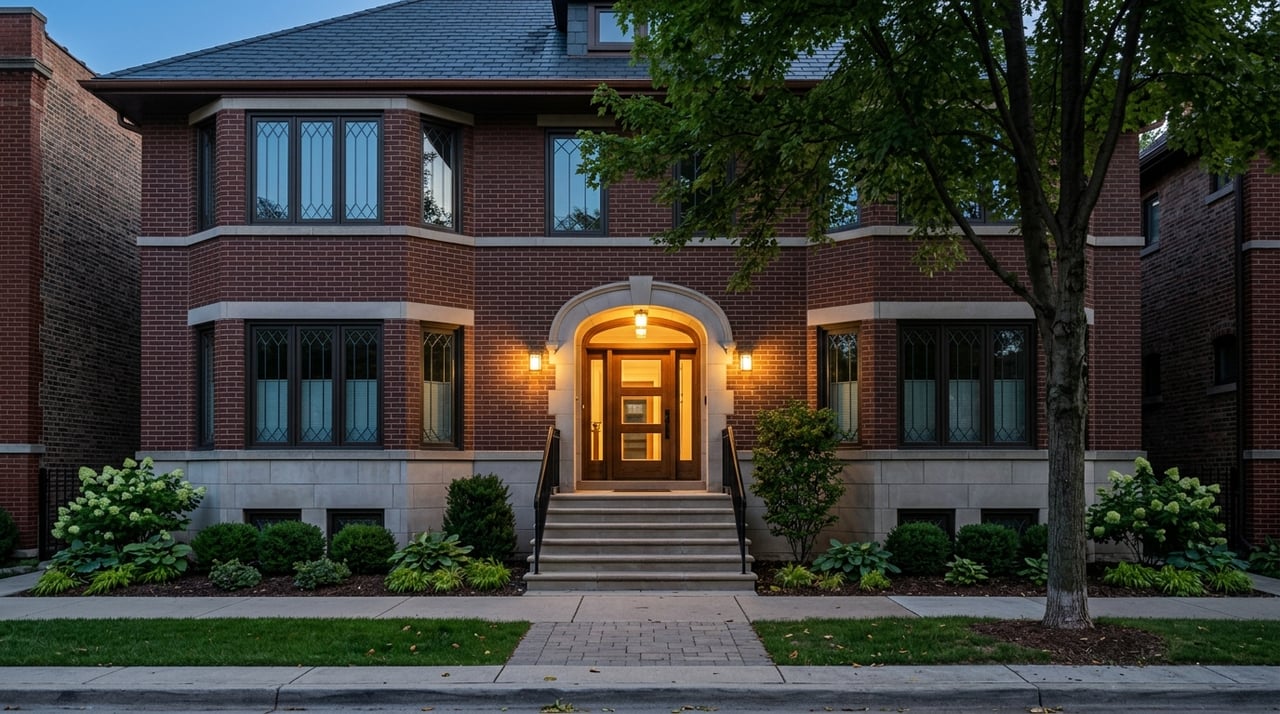
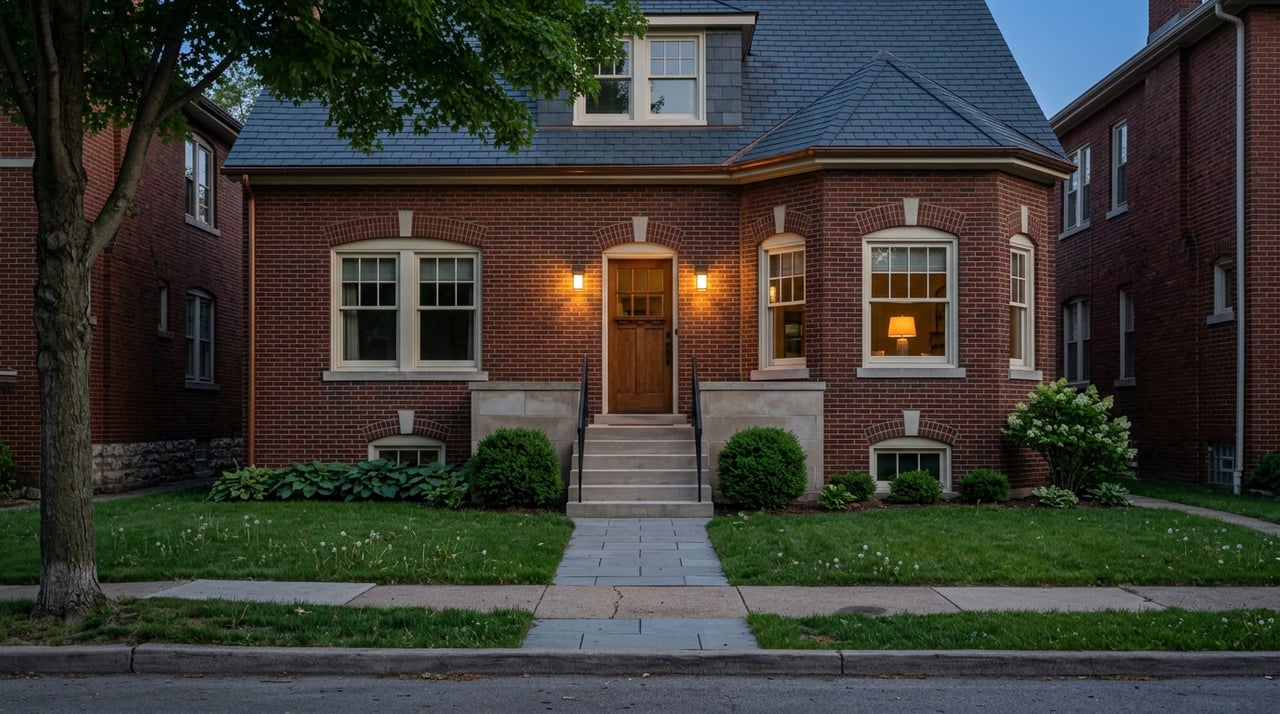
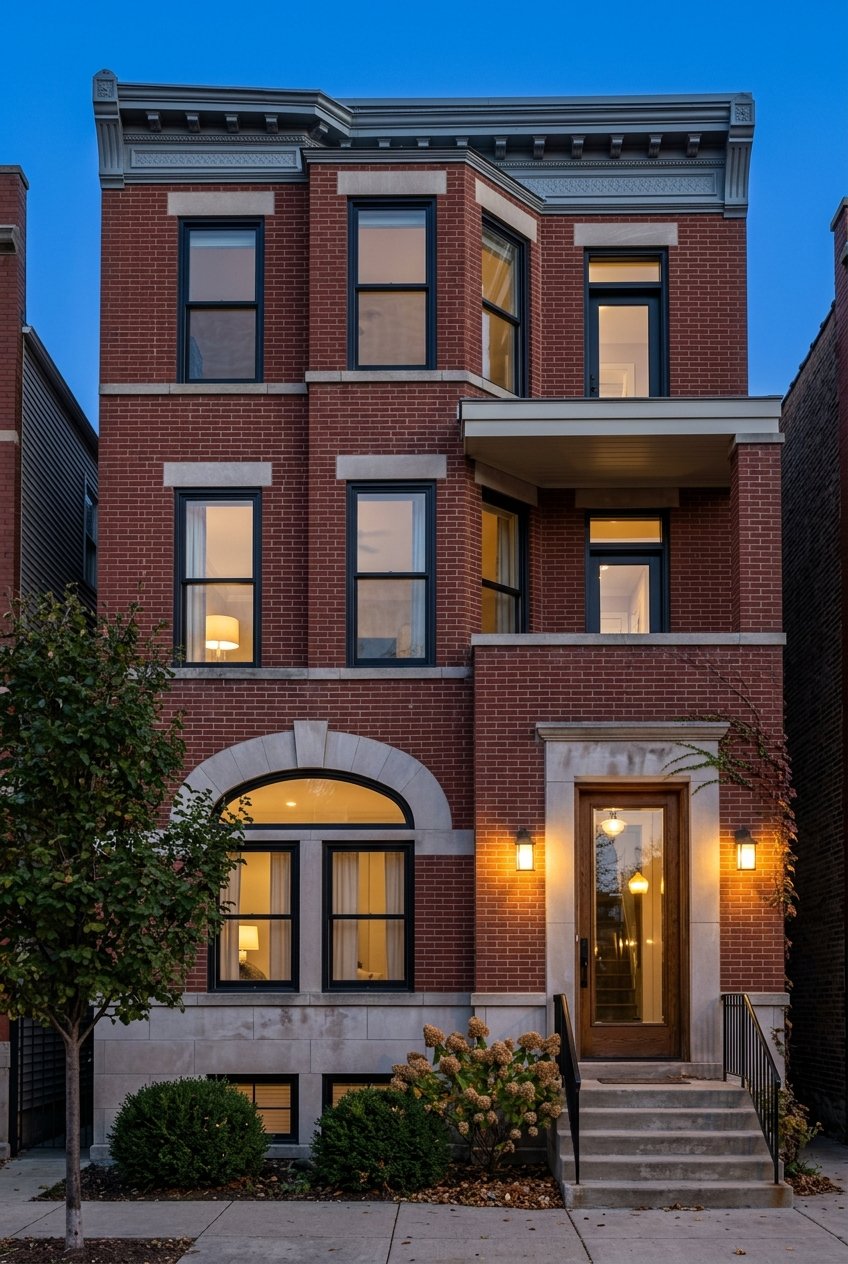
Ukrainian Village stands out because of its historic residential fabric. The Ukrainian Village Chicago Landmark District was designated in 2002, and the City describes it as a well-preserved streetscape with worker’s cottages, two- and three-flats, single-family homes, and larger apartment buildings.
That matters when you start your condo search. In this part of Chicago, many condo opportunities are likely to come from older low-rise masonry buildings rather than newer high-rise product. That does not tell you everything about any one unit, but it does shape the kind of inventory you are more likely to encounter.
What “Vintage Condo” Often Means Here
In Ukrainian Village, a vintage condo often means a home inside an older brick building with architectural details that newer properties may not offer. Depending on the building, you may see features like bay windows, original trim, or layouts adapted from older multi-unit structures.
Because the neighborhood includes many older buildings, public records can be especially helpful. The Chicago Historic Resources Survey lets you check a property’s construction date, building type, style, landmark status, and other useful details tied to pre-1940 structures.
Look Beyond Charm
It is easy to fall in love with finishes and natural light. In a vintage condo, though, the bigger financial story is often behind the walls and on the exterior.
For older buildings, preservation guidance from the National Park Service highlights recurring maintenance priorities such as moisture control, roof drainage, masonry care, window repair, insulation, air sealing, and weatherization. For you as a buyer, that means the right questions are not just about the kitchen or bath updates. They are about how the building has been maintained over time.
Building Systems to Verify
When you evaluate a vintage condo in Ukrainian Village, focus on the major components that affect cost, comfort, and future repairs.
Roof and drainage
Ask when the roof was last repaired or replaced and whether drainage has been updated. Water management is a major issue in older masonry buildings, and even a beautiful unit can become expensive if the building envelope is not performing well.
Masonry and pointing
Older brick buildings need periodic masonry work. Ask whether the exterior has been tuckpointed or repaired recently and whether any larger facade work is planned.
Windows and weather sealing
Windows are about more than appearance. Ask whether they have been repaired or replaced and whether weather stripping or other air-sealing measures have been addressed.
Mechanical components
Even if your unit has its own HVAC or water heater, the building may still have shared systems or common-area components that affect costs. You want a clear picture of what is unit-specific and what is the association’s responsibility.
Understand the Condo Association
With a vintage condo, the association can matter just as much as the unit itself. A well-run association may help protect the building over time, while weak planning can lead to sudden costs.
Under the Illinois Condominium Property Act, boards are required to prepare and distribute a detailed annual budget and provide for reasonable reserves for capital expenditures and deferred maintenance. The law also says boards should consider repair and replacement costs, useful life, reserve-study information if available, the financial impact on owners, and financing or refinancing when setting reserves.
That is important because monthly dues are not just a fee. They are one clue to how the building plans for maintenance, insurance, and future repairs.
Why Reserves Matter So Much
Reserve funds help an association prepare for larger repairs over time. In an older building, that can include roofing, masonry, windows, or other major projects that may not happen every year but can carry significant cost when they do.
Illinois law also allows an association to waive all or part of reserve requirements by a two-thirds vote if the condo documents do not already require reserves. If that happens, the waiver must be disclosed in financial statements and in responses to buyers. That means a low monthly assessment is not always a sign of lower ownership cost. In some cases, it may mean future costs have simply been deferred.
Read the Resale Disclosures Carefully
One of the best tools you have as a buyer is the resale disclosure package. Illinois requires sellers to provide key condominium documents and disclosures to prospective purchasers.
These disclosures can include:
- The declaration and bylaws
- Information about liens
- Anticipated capital expenditures
- Reserve fund status
- The prior fiscal year’s financial statement
- Pending suits or judgments
- Insurance information
- A statement about prior alterations to the unit
Reviewing these documents can help you judge whether assessments are likely to remain stable or whether a special assessment may be more likely.
Watch for Special Assessment Risk
Special assessments are one of the biggest concerns for buyers in older condo buildings. They are not automatically a red flag, but they should be understood in context.
If a building has aging masonry, old windows, or roofing work ahead, the association may need to raise funds quickly. That is why it helps to compare the reserve balance, upcoming projects, and the building’s maintenance history instead of looking at dues alone.
Landmark District Rules Can Affect Exterior Work
If the building is within the landmark district, exterior changes may involve another layer of review. According to the City’s landmark owners Q&A, work affecting significant historical or architectural features is reviewed through the normal building permit process.
The City also notes that, in landmark districts, the significant features are typically the exterior elevations visible from the public right-of-way. Routine maintenance like painting and minor repairs does not require a building permit, and landmark designation does not directly change Cook County Assessor valuation or the tax rate.
For you, that means planned exterior projects should be discussed early. If a building is considering visible facade changes, window work, or other exterior updates, ask whether landmark review may apply.
Use Public Records During Due Diligence
Vintage condo buyers in Ukrainian Village have access to several public tools that can help confirm a building’s history and current condition.
The City’s Building Permit and Inspection Records can help you review permit and inspection history. The City also notes that older applications or issued permits may not always appear in the recent-application status tool, and the permit data portal covers records from 2006 forward.
If a building shows signs of deferred maintenance, the City’s vacant-building portal can help identify whether it has been registered or cited under vacant-building or vacant-storefront requirements.
At the county level, the Cook County Assessor search tools can help you check property details and compare nearby properties by neighborhood, class, square footage, and age. That is useful when you want to separate condo dues from property tax exposure and compare one building with similar alternatives nearby.
A Smart Buyer Checklist
Before you move forward on a vintage condo in Ukrainian Village, make sure you ask clear, building-specific questions.
Ask about condition
- How old are the roof, masonry, windows, and major mechanical components?
- Has the building had recent water intrusion, drainage, or exterior repair issues?
- What repairs have already been completed, and what work is still expected?
Ask about finances
- What is the current reserve balance?
- Has the association waived reserve requirements?
- Have there been recent or planned special assessments?
Ask about legal and insurance matters
- Are there pending lawsuits or judgments?
- What insurance does the association carry?
- Are there known issues that could affect financing or resale?
Ask about records and approvals
- What does the permit history show?
- Were prior alterations to the unit properly disclosed?
- Could planned exterior changes trigger landmark review?
Why Guidance Matters With Vintage Condos
Buying in a neighborhood like Ukrainian Village can be rewarding because the housing stock offers texture, history, and a strong sense of place. But older buildings ask more of a buyer than a quick walk-through and a glance at monthly dues.
You need a process that looks at the unit, the building, the association, and the public record together. That is often where experienced neighborhood guidance can make the difference between buying with confidence and buying with avoidable surprises.
If you are considering a vintage condo in Ukrainian Village and want practical, local guidance through the search and due diligence process, connect with Telequest Realty. Their team helps Chicago buyers make informed decisions with personalized support and neighborhood-specific insight.
FAQs
What should you check first when buying a vintage condo in Ukrainian Village Chicago?
- Start with the building’s major components, including the roof, masonry, windows, drainage, and mechanical systems, then review the association’s finances and resale disclosures.
How do condo reserves affect a vintage condo purchase in Ukrainian Village?
- Reserve funds can signal how prepared the association is for future repairs, and low reserves may increase the risk of future special assessments.
Does landmark district status affect a condo building in Ukrainian Village Chicago?
- Yes, if the building is in the landmark district, certain exterior work that affects significant visible features may be reviewed through the building permit process.
Where can you research a vintage condo building in Ukrainian Village before buying?
- You can review the Chicago Historic Resources Survey, City building permit and inspection records, landmark information, vacant-building records, and Cook County Assessor tools.
Are monthly condo dues enough to judge ownership cost in a Ukrainian Village vintage condo?
- No, you should also review reserve funding, insurance, possible special assessments, and property taxes to understand the full carrying cost.