Wondering how Avondale, Logan Square, and Irving Park actually feel once the weekend open houses are over? If you are trying to picture your daily routine, your commute, and the kind of block that fits your lifestyle, these three Northwest Side neighborhoods can look similar at first glance. The good news is that each one has a distinct rhythm, and understanding those differences can help you make a smarter move. Let’s dive in.
What daily life feels like
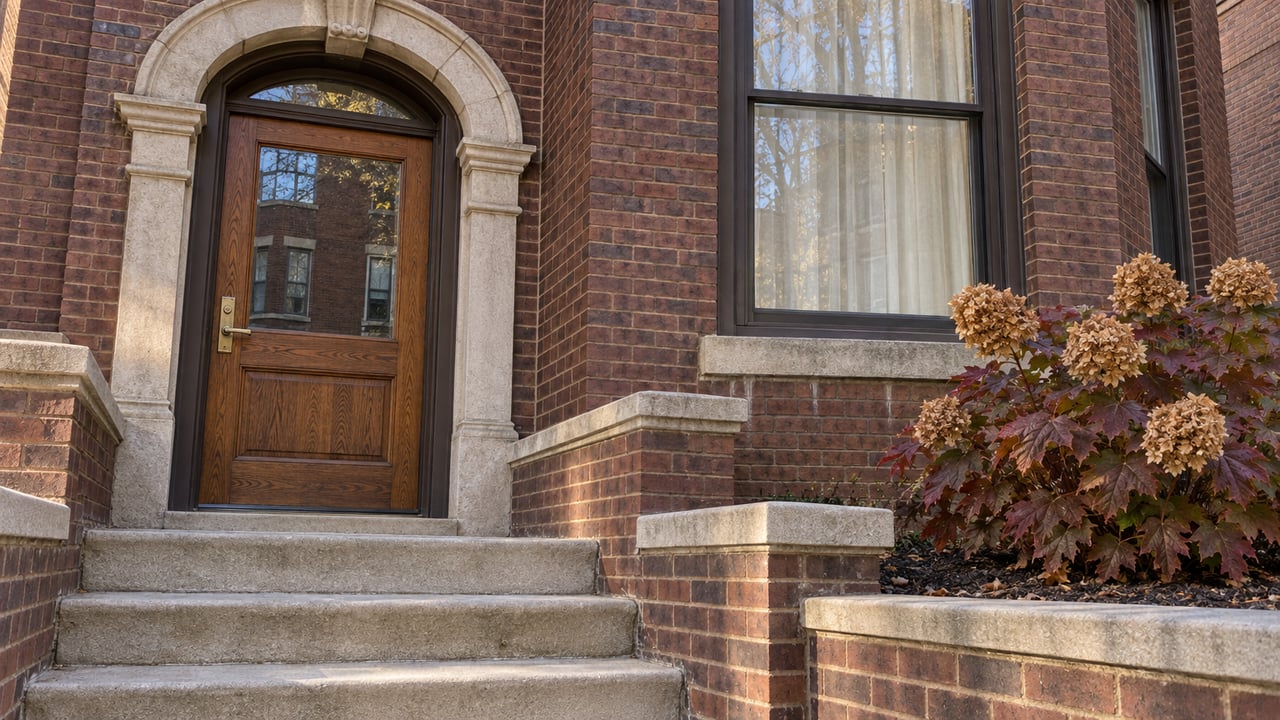
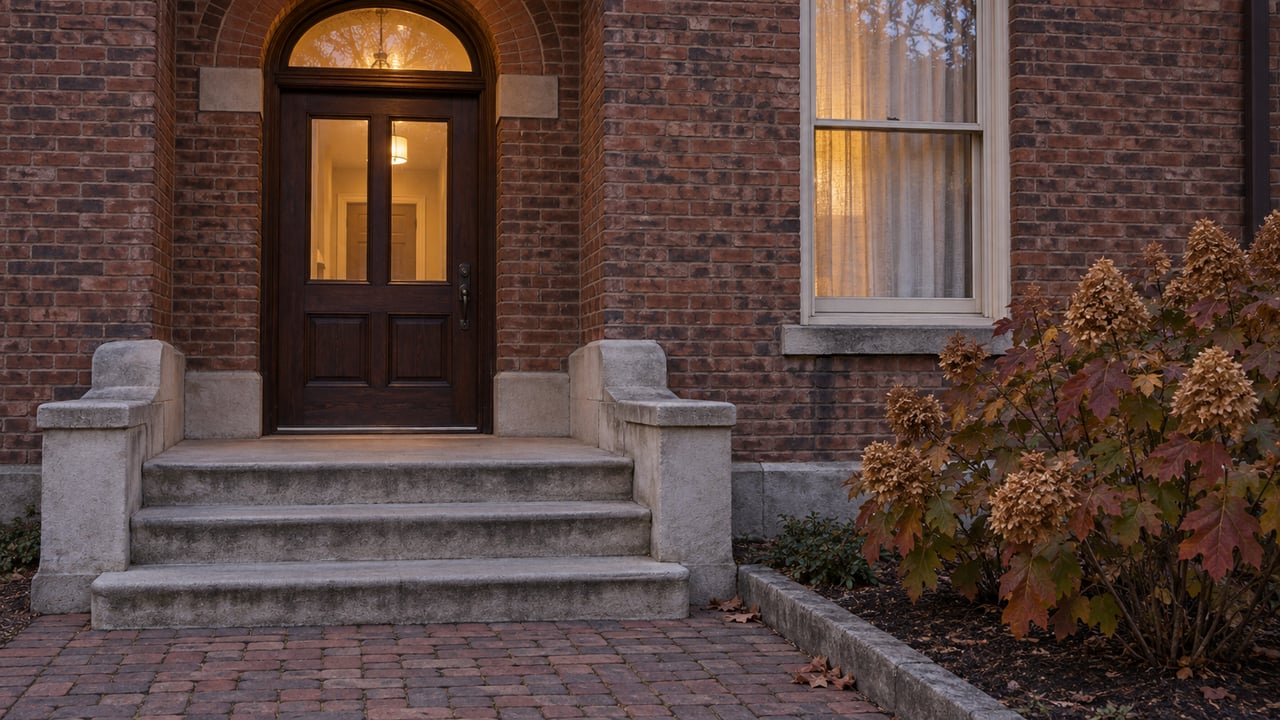
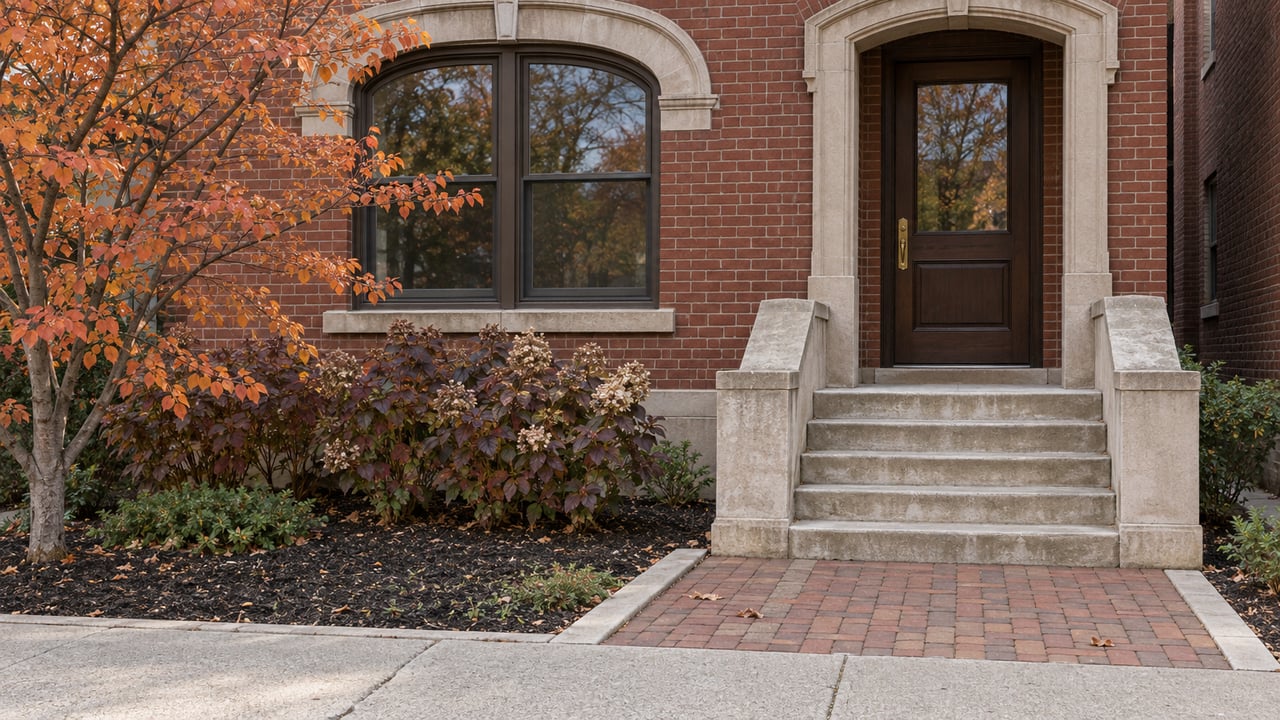
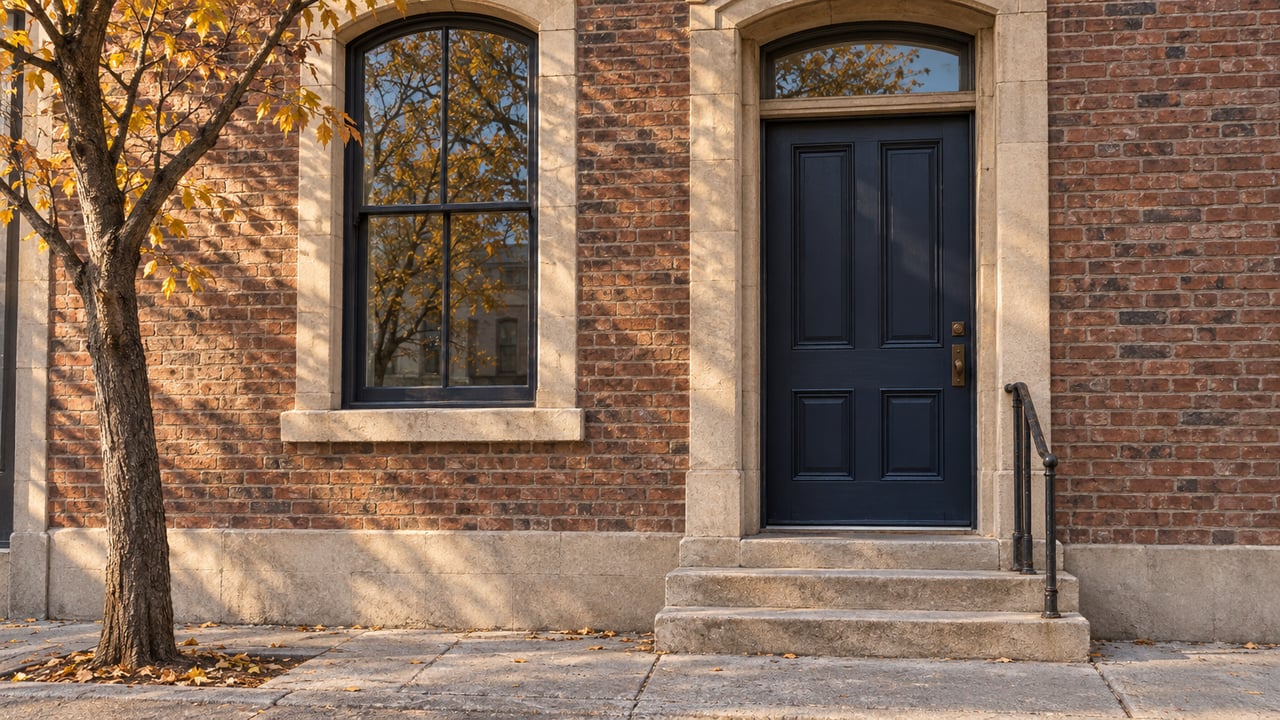
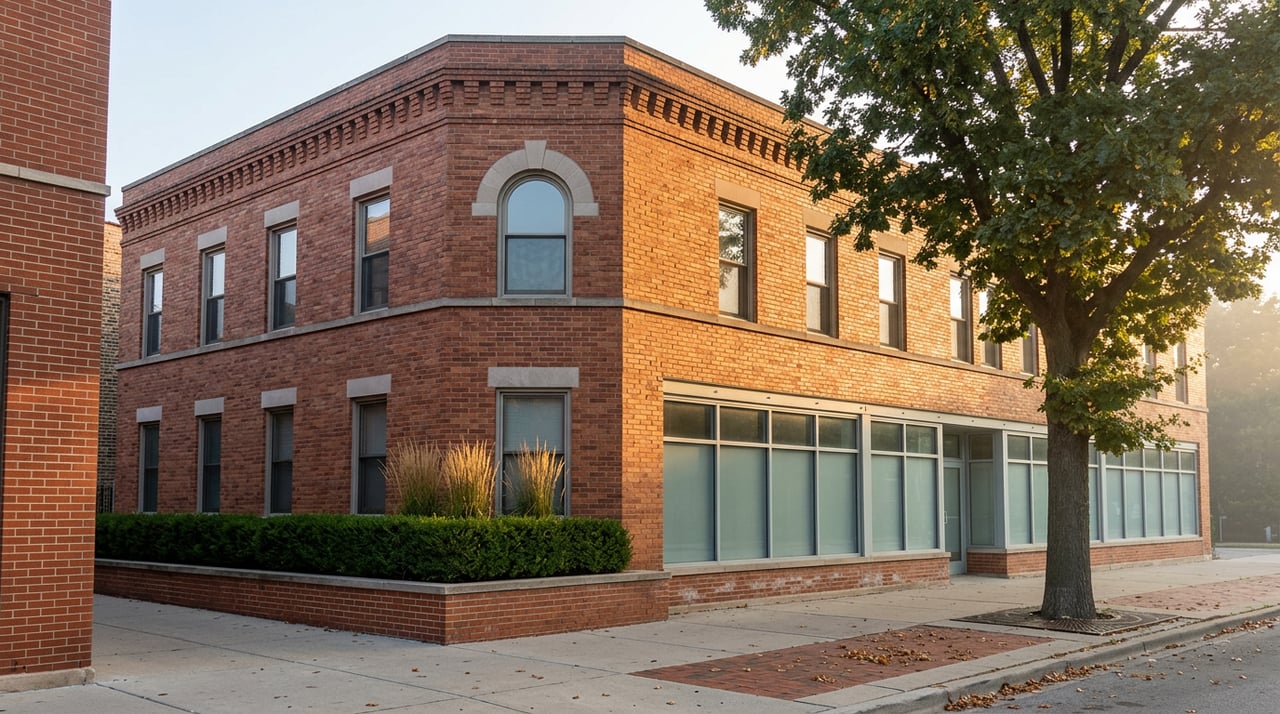
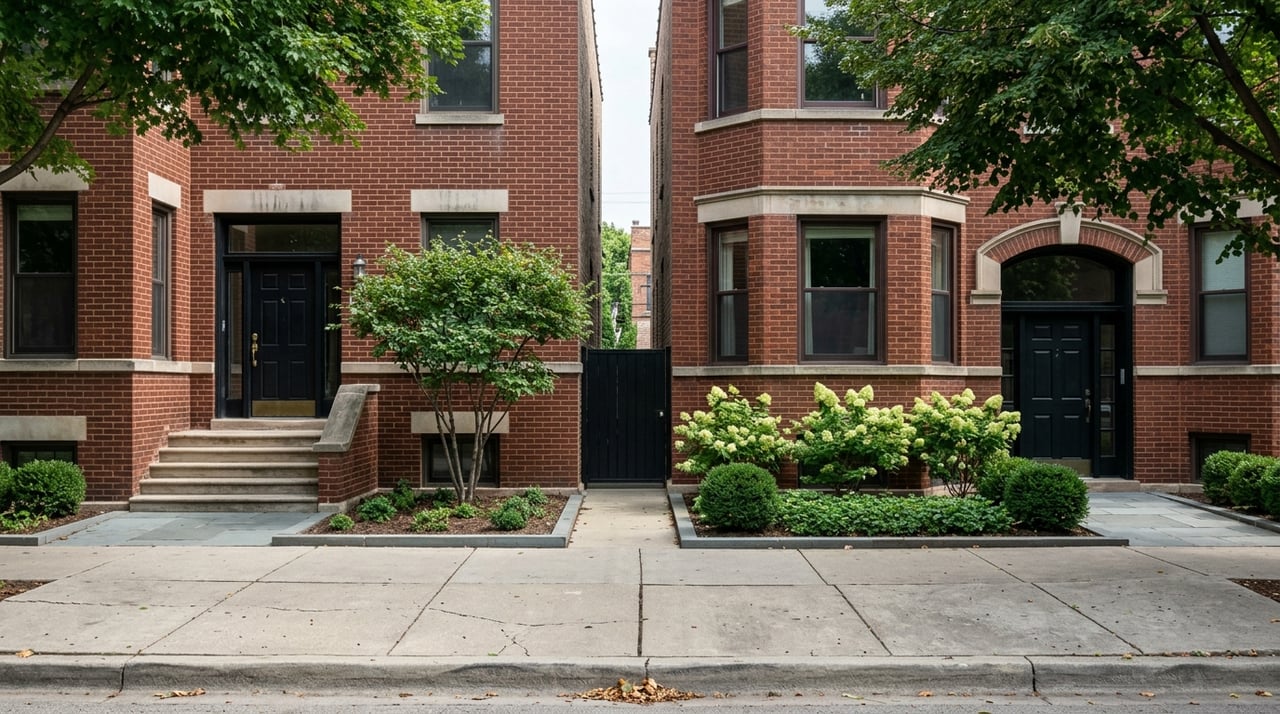
Avondale, Logan Square, and Irving Park all share one important trait: they are shaped by older Chicago housing and neighborhood-scale commercial streets rather than large new-build towers. In each area, well over half of the housing stock was built before 1940, which gives the streets a more established, lived-in feel.
That shared history leads to some common ground. You will see older flats, brick buildings, bungalows, and early multifamily homes throughout the area. At the same time, the day-to-day experience changes quite a bit depending on which neighborhood you choose.
Avondale tends to feel more low-key, with an industrial edge and a growing arts and food scene. Logan Square feels more urban and social, with stronger nightlife and a faster pace. Irving Park feels more residential, with more detached homes, larger parks, and a calmer everyday rhythm.
Avondale at a glance
Avondale often appeals to people who want a neighborhood that feels established but still a bit under the radar. Its roots are tied to industry and river-adjacent development, and today that history mixes with newer creative and dining energy.
The housing stock helps explain the feel. In Avondale, 28.6% of homes are in 2-unit buildings, 29.0% are in 3-4 unit buildings, and 17.7% are single-family detached. The median year built is 1934, so many blocks feel like a mix of classic Chicago flats, modest houses, and low-rise buildings rather than one single housing type.
Avondale streets and housing
If you like older masonry buildings and small multifamily properties, Avondale gives you a lot to look at. For buyers considering a condo, a starter home, or a 2-4 unit, the neighborhood’s building mix can create a wide range of options from block to block.
That also means streetscapes can feel varied. One stretch may lean more residential, while another picks up a more industrial or commercial tone. For many buyers, that variety is part of the appeal.
Avondale transit and getting around
Avondale has solid transit access, but it still feels more mixed-mode than heavily transit-centered. The Belmont Blue station and bus terminal serves as a key hub, connecting the Blue Line with the #77 Belmont and #82 Kimball/Homan bus routes.
Commuting patterns reflect that balance. CMAP reports 18.5% of commuters use transit, 25.6% work from home, and 41.8% drive alone. In everyday terms, Avondale can work well whether you rely on transit, drive regularly, or use a mix of both.
Avondale parks, food, and culture
Avondale’s amenity mix feels local, creative, and slightly off the main radar. The neighborhood is known for places like Revolution Brewing, Sleeping Village, Avondale Bowl, Elastic Arts, and the Puerto Rican Arts Alliance.
For outdoor time, Avondale Park adds recreational space and a gymnastic center. If you want a neighborhood where your routine can include casual local dining, live performance spaces, and a less hectic pace than some nearby hotspots, Avondale stands out.
Logan Square at a glance
Logan Square is the most urban and active of the three. If you are looking for strong walkability, a lively social scene, and a neighborhood where transit and biking are part of everyday life, this is where that combination is most visible.
The housing stock is also more renter-heavy and more multifamily than either Avondale or Irving Park. According to CMAP, 43.7% of homes are in 2-4 unit buildings and 38.7% are in buildings with 5 or more units. The median year built is 1932, and 61.4% of occupied housing is renter-occupied.
Logan Square streets and housing
Logan Square’s older housing and landmarked boulevards help create one of the most recognizable streetscapes on the Northwest Side. The Logan Square Boulevard National Historic District is known for limestone homes, and Milwaukee Avenue runs through the center of neighborhood activity.
For buyers, that means you may find everything from classic condos in vintage buildings to multifamily properties and larger apartment-style housing. If you want a setting with more density and more street activity, Logan Square delivers that in a very visible way.
Logan Square transit and biking
Logan Square is the strongest fit of the three for people who prioritize transit and biking. The CTA Blue Line runs 24 hours a day, and the neighborhood is served by bus routes 49, 52, 56, 73, 74, and 76.
The area is also described as one of the city’s most bicycle-friendly neighborhoods, and the 606 borders its southern edge. CMAP data shows 20.3% of commuters use transit, 32.2% work from home, and 22.1% of households have no vehicle, which reinforces how practical a car-light lifestyle can be here.
Logan Square food, parks, and nightlife
This is where Logan Square really separates itself. The neighborhood is known for destination dining, active nightlife, and a steady stream of things to do, from the Logan Theatre to the Logan Square Farmers Market and events at Comfort Station.
You also have Palmer Square and the boulevard system adding outdoor space to the neighborhood fabric. If your ideal week includes coffee shops, restaurants, live music, breweries, and walkable activity, Logan Square offers the densest concentration of that energy among these three neighborhoods.
Irving Park at a glance
Irving Park feels the most settled and residential of the group. It tends to attract buyers who want more breathing room, more detached homes, and a neighborhood routine that feels a little quieter while still staying connected to the city.
Housing data backs that up. In Irving Park, 29.0% of homes are single-family detached, 19.9% are in 2-unit buildings, and 16.4% are in 3-4 unit buildings. The median year built is 1933, and 58.0% of the housing stock was built before 1940.
Irving Park streets and housing
If you are drawn to classic residential architecture, Irving Park gives you a strong mix of detached homes and older small multifamily buildings. The Villa District is especially notable for its 126 homes influenced by Prairie, Craftsman, and American Four-Square styles.
That architectural variety adds character without changing the area’s overall calmer feel. For buyers looking at single-family homes, townhome alternatives, or select 2-4 unit opportunities, Irving Park often feels more neighborhood-oriented than nightlife-oriented.
Irving Park transit and driving
Irving Park is the most car-flexible of the three, while still offering several transit options. The neighborhood includes multiple Blue Line stops, the Brown Line’s Irving Park station, and the Metra UP-NW stop at Irving Park.
Bus service includes routes 81 Lawrence, 78 Montrose, 80 Irving Park, 93 California/Dodge, 82 Kimball, and 53 Pulaski. CMAP reports 15.9% of commuters use transit and 46.7% drive alone, which reflects a lifestyle that often blends city access with easier car use.
Irving Park parks and local amenities
One of Irving Park’s biggest everyday strengths is green space. Horner Park spans 57.97 acres and includes softball fields, baseball diamonds, basketball courts, tennis and pickleball courts, a playground, picnic groves, and an oak savannah.
The neighborhood also includes Kilbourn Park, known for its teaching greenhouse, and Independence Park, which offers community gardens and a water spray feature. Along Irving Park Road, you will also find shops, pubs, eateries, breweries, and a range of restaurant options that support a steady, neighborhood-based routine.
Which neighborhood fits your lifestyle?
If you are deciding between these three neighborhoods, it helps to think less about which one is "best" and more about how you want your days to feel. Each area offers a different balance of housing style, transportation, outdoor space, and social activity.
Here is a simple way to frame it:
- Choose Avondale if you like older two- and three-flat streets, a more low-key vibe, and a creative edge.
- Choose Logan Square if you want the strongest blend of walkability, transit, biking, boulevards, and nightlife.
- Choose Irving Park if you prefer more detached homes, larger parks, and a quieter residential pace.
For buyers, that kind of neighborhood match can matter just as much as square footage or finishes. For sellers, understanding how people experience these neighborhoods day to day can also shape how your home is positioned in the market.
Why neighborhood fit matters in Chicago
In Chicago, small shifts in housing stock, transit access, and commercial activity can change your experience block by block. That is especially true in Avondale, Logan Square, and Irving Park, where the shared Northwest Side location can hide some very real lifestyle differences.
If you are buying, it helps to compare not just price and property type, but also how each neighborhood supports your routine. If you are selling, clear neighborhood positioning can help attract the right buyers for your home, whether it is a condo, a single-family house, or a 2-4 unit building.
If you want help comparing homes or planning your next move in these Northwest Side neighborhoods, Telequest Realty brings local knowledge, practical guidance, and personalized service to every step of the process.
FAQs
What is everyday life like in Avondale, Chicago?
- Avondale generally feels low-key and established, with older multifamily housing, an industrial edge, and a growing arts, food, and nightlife scene.
What makes Logan Square different from Avondale and Irving Park?
- Logan Square stands out for its more urban pace, stronger transit and biking culture, destination dining, nightlife, and dense mix of multifamily housing.
What is the housing style in Irving Park, Chicago?
- Irving Park has the most detached-home feel of the three, along with older small multifamily buildings and notable residential architecture such as the homes in the Villa District.
Which neighborhood has the best transit access: Avondale, Logan Square, or Irving Park?
- Logan Square is the most transit- and bike-oriented overall, while Avondale offers balanced transit and driving access, and Irving Park provides the most car-flexible mix with Blue Line, Brown Line, Metra, and bus options.
Which neighborhood is best for parks: Avondale, Logan Square, or Irving Park?
- Irving Park stands out most for larger green spaces, especially Horner Park, while Logan Square offers boulevard and square access and Avondale includes neighborhood park space and nearby cultural amenities.
Are Avondale, Logan Square, and Irving Park good places to look for older Chicago homes?
- Yes. All three neighborhoods have a large share of housing built before 1940, which means older flats, bungalows, early multifamily buildings, and established streetscapes are a major part of daily life.