If you have looked at home prices in Lincoln Square and wondered how to make the numbers work, house hacking may be the answer. In this part of Chicago, 2-4 unit buildings are not a fringe strategy. They are part of the city’s long-standing housing pattern, which makes them a practical option for buyers who want a home and income in one purchase. If you are thinking about living in one unit and renting the others, this guide will help you understand how to evaluate the opportunity, what financing can look like, and which local details matter most. Let’s dive in.
Why house hacking fits Lincoln Square
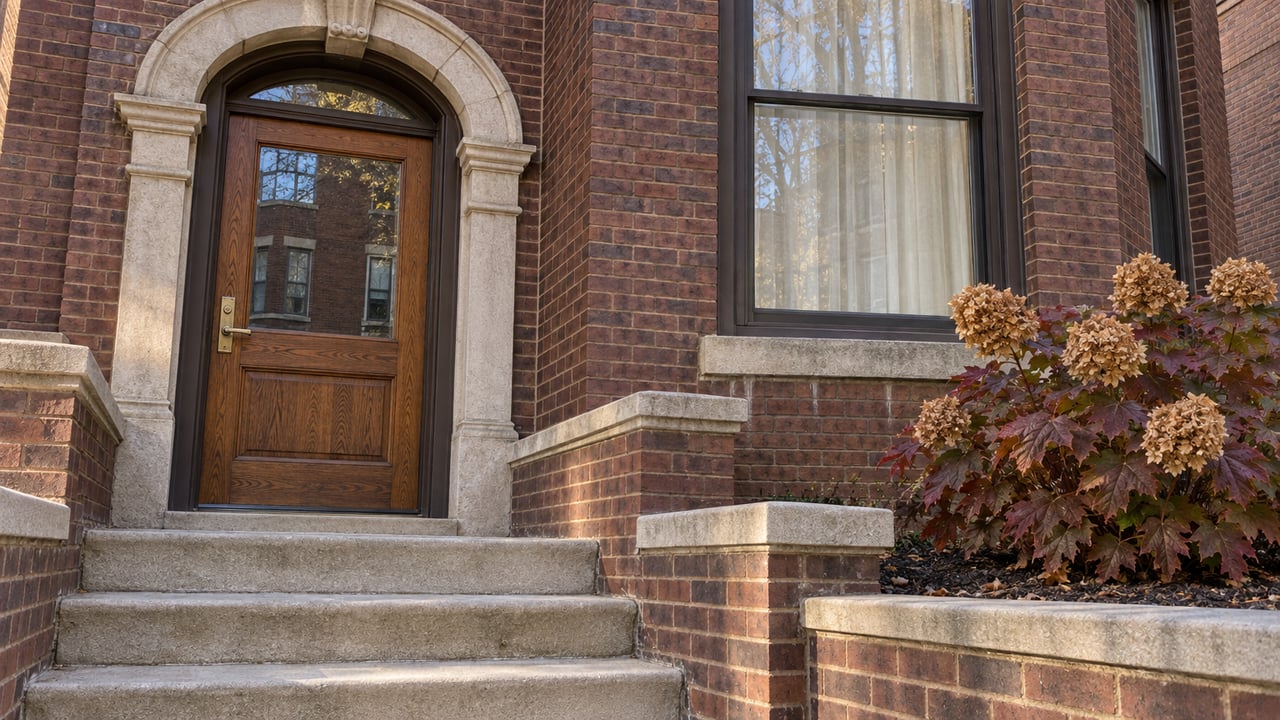
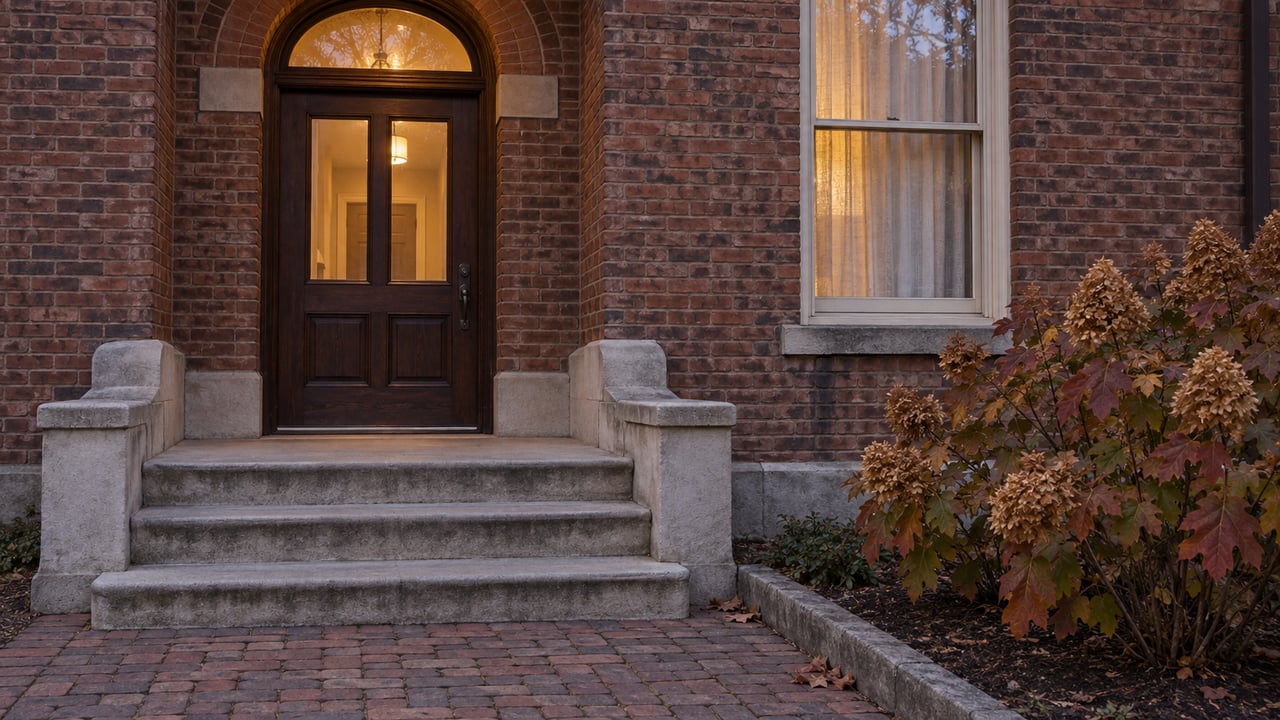
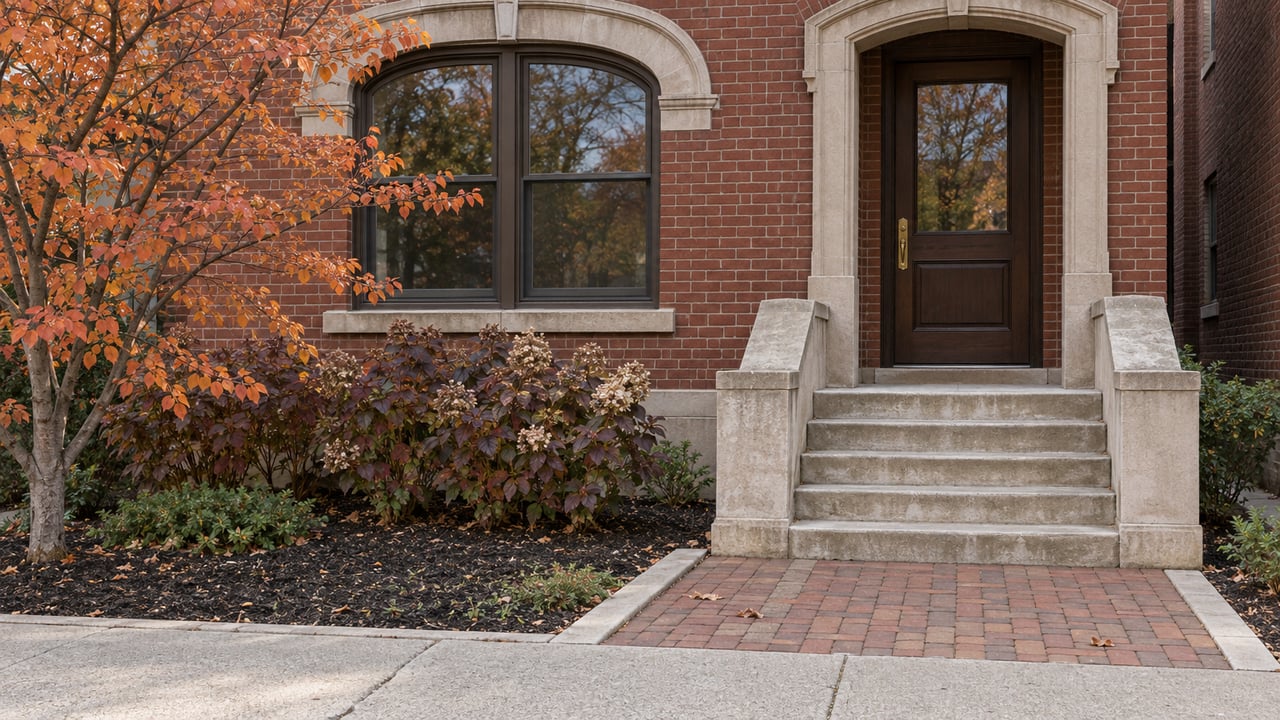
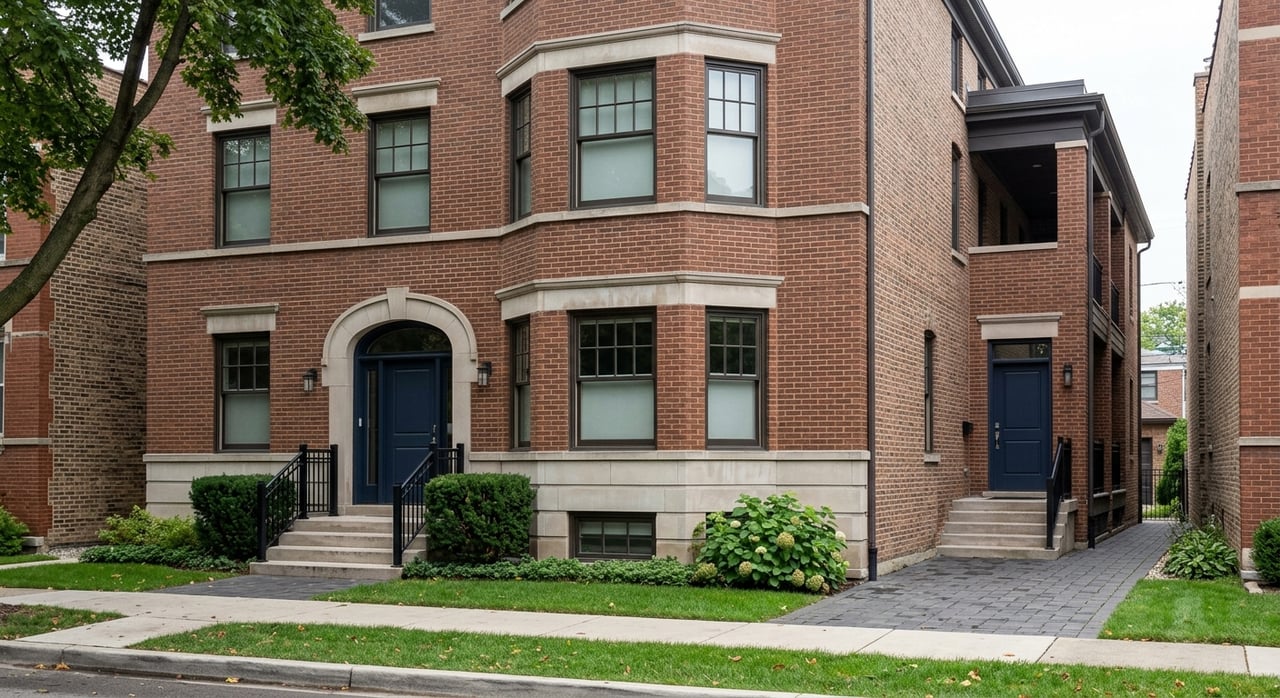
Lincoln Square and the broader corridor around Ravenswood and North Center grew with bungalows, two-flats, and small apartment buildings as transit improved access across the North Side. Chicago still stands out for this housing type, with two- and three-flats making up a major part of the city’s housing stock and more than 76,000 two-unit apartment buildings citywide.
That matters because a 2-4 unit purchase here often feels like a natural extension of how Chicago housing has worked for generations. Instead of chasing a niche investment idea, you are considering a property type that already fits the built character of the area. For many buyers, that makes house hacking in Lincoln Square feel more approachable and more realistic.
What house hacking really means
At its core, house hacking means you buy a 2-4 unit property, live in one unit as your primary residence, and rent out the other unit or units. The goal is usually to offset your monthly housing cost, build equity, and gain experience managing a small income property while still owning your home.
The key is to think about it as both a home purchase and a small rental business. That shift in mindset can help you make better decisions about rent assumptions, financing, reserves, and future maintenance. It also keeps you from treating projected rental income like guaranteed profit.
How rental income can help you qualify
Rental income can help with loan qualification on an owner-occupied 2-4 unit property, but lenders usually review it carefully. For tenant-occupied units, documented income may come from signed leases, a rental history, or an appraisal-based market rent estimate when a unit is vacant or newly acquired.
Just as important, projected rent is usually underwritten conservatively. Lenders often reduce expected rent to account for vacancy and maintenance, and that income is not typically treated as a direct one-for-one offset to your mortgage payment. In plain terms, the rent can help, but you should not build your entire purchase plan around a best-case income number.
What documents often matter most
When you are evaluating a 2-4 unit deal, these items can be especially useful:
- Current signed leases
- Documented rental history
- Appraisal-supported market rent estimates for vacant units
- A record of recent income with no major unexplained gaps
If you are buying a building with one or more vacant units, be extra careful with your assumptions. A vacant apartment may offer upside, but it also means your day-one income may be lower than the spreadsheet first suggests.
Financing options for 2-4 units
In Cook County, the financing picture changes fast based on unit count. For 2026, conforming loan limits are $832,750 for 1 unit, $1,066,250 for 2 units, $1,288,800 for 3 units, and $1,601,750 for 4 units. FHA forward mortgage limits for 2026 are $541,287 for 1 unit, $693,050 for 2 units, $837,700 for 3 units, and $1,041,125 for 4 units.
Those higher limits are one reason small multifamily can be attractive to owner-occupants. As the number of units increases, the financing cap increases too, which can open up more options in a neighborhood where brick 2-4 flats remain a meaningful part of the inventory.
FHA vs conventional
FHA financing can be attractive if you want a lower down payment. HUD states that FHA loans can be available on 1-4 unit properties with down payments as low as 3.5%, which is one reason many first-time buyers look at this route.
Conventional options can also work well. Fannie Mae HomeReady and Freddie Mac Home Possible both allow certain owner-occupied 2-4 unit purchases, with program-specific rules on borrower contribution and loan-to-value. In some cases, these programs can offer strong flexibility for buyers who qualify.
Why duplexes are often simpler
There is an important difference between buying a duplex and buying a 3- or 4-unit building. FHA requires a self-sufficiency test for 3- and 4-unit properties, which means the property’s monthly principal, interest, taxes, and insurance cannot exceed the monthly net self-sufficiency rental income.
That added hurdle can make triplexes and four-flats harder to finance, especially for first-time buyers. By comparison, duplexes often offer more flexibility and a simpler path into house hacking. If you are just getting started, that can make a two-unit building a very practical first step.
Run the numbers like a business
A house hack can reduce your housing cost, but it still needs careful analysis. At a minimum, you should model taxes, insurance, maintenance, and interest, rather than focusing only on the mortgage payment and expected rent.
You also want to leave room for vacancy, repairs, and turnover. Even in a strong rental area, units do not always stay filled without interruption. A more conservative estimate usually gives you a better picture of whether the property will still feel manageable after closing.
Expenses buyers often underestimate
Many first-time house hackers focus on rent and down payment, but these cost items deserve equal attention:
- Property taxes
- Insurance
- Maintenance and repairs
- Interest expense
- Vacancy and turnover costs
- Shared building expenses tied to owner and tenant use
From a tax standpoint, rental expenses such as maintenance, insurance, taxes, and interest are generally deductible, but mixed personal and rental use means shared expenses must be divided between the two uses. Rental income, expenses, and depreciation are commonly reported on Schedule E. That is one more reason to plan for both monthly cash flow and clean recordkeeping.
Chicago due diligence matters
Lincoln Square house hacking is not just about finding a good-looking building on a nice block. In Chicago, several local details can strongly affect how a property performs and how smooth your ownership experience will be.
The best approach is to verify each property at the parcel level rather than assuming one building works like the next. That is especially true when a building has been expanded, converted, or used in a way that may not match what you expect from a quick online search.
Check zoning by exact address
Chicago zoning is parcel-specific, not neighborhood-specific. That means you should verify the exact address or PIN instead of relying on a broad assumption about Lincoln Square or the surrounding area.
This step is especially important with older 2-4 unit buildings. If a property has a conversion history or a legal nonconforming use, that can affect your plans and should be reviewed carefully before you move forward.
Review taxes carefully
Cook County property taxes are a major ownership cost, and the system operates on an arrears basis. For owner-occupants, the Homeowner Exemption may be available if the home is your principal residence, and once applied, it typically renews automatically.
For a house hacker, that means you should not assume the prior tax bill tells the whole story. You want to understand the current exemption status and model your ownership costs with realistic tax numbers.
Lead disclosures are common in older buildings
Because many Lincoln Square-area 2-4 unit buildings were built before 1978, lead disclosure requirements come up often. Buyers and renters of most pre-1978 housing must receive known information about lead and lead hazards before signing a contract or lease.
This is not an unusual red flag by itself. It is simply a normal part of buying and leasing older housing in Chicago, and it should be part of your due diligence checklist.
A smart house hacking strategy for Lincoln Square
If you are comparing properties in Lincoln Square, Ravenswood, or nearby parts of the North Side, focus on buildings that match both your budget and your management comfort level. A two-unit may provide the cleanest financing path and the easiest learning curve, while a three- or four-unit may offer more rent but also more complexity.
It also helps to look beyond the listing price. Strong house hacks are usually built on a combination of realistic rent, manageable expenses, sound financing, and careful local review. In a market like Chicago, that kind of discipline can make the difference between a property that supports your goals and one that creates avoidable stress.
If you want to buy a 2-4 unit in Lincoln Square, the best next move is to review specific properties with a clear strategy. Telequest Realty helps Chicago buyers evaluate small multifamily opportunities with neighborhood knowledge, practical guidance, and a steady, hands-on approach.
FAQs
Can rental income help me qualify for a Lincoln Square 2-4 unit?
- Yes. Documented rental income from other units may help with qualification, but lenders usually apply conservative underwriting and may reduce projected rent for vacancy and maintenance.
Is FHA or conventional better for house hacking in Lincoln Square?
- It depends on your finances and the property. FHA may help with a lower down payment, while conventional options like HomeReady or Home Possible can also work well for owner-occupied 2-4 unit purchases.
Why are duplexes easier than 3- or 4-unit buildings?
- Duplexes often have fewer financing hurdles. FHA 3- and 4-unit properties must meet a self-sufficiency test, which can make those larger small multifamily purchases harder to qualify for.
What costs should I include when analyzing a Lincoln Square house hack?
- At a minimum, include property taxes, insurance, maintenance, interest, and a cushion for vacancy or turnover. If the property has both personal and rental use, shared expenses also need to be allocated correctly.
What local issues should I verify before buying a Chicago 2-4 unit?
- Focus on parcel-specific zoning, current property tax and exemption status, and lead disclosure requirements for older pre-1978 buildings.
Why is house hacking a good fit for Lincoln Square?
- Lincoln Square and nearby North Side neighborhoods have a long history of two-flats, small apartment buildings, and owner-occupied multifamily housing, so 2-4 unit living is a natural fit for the local housing stock.