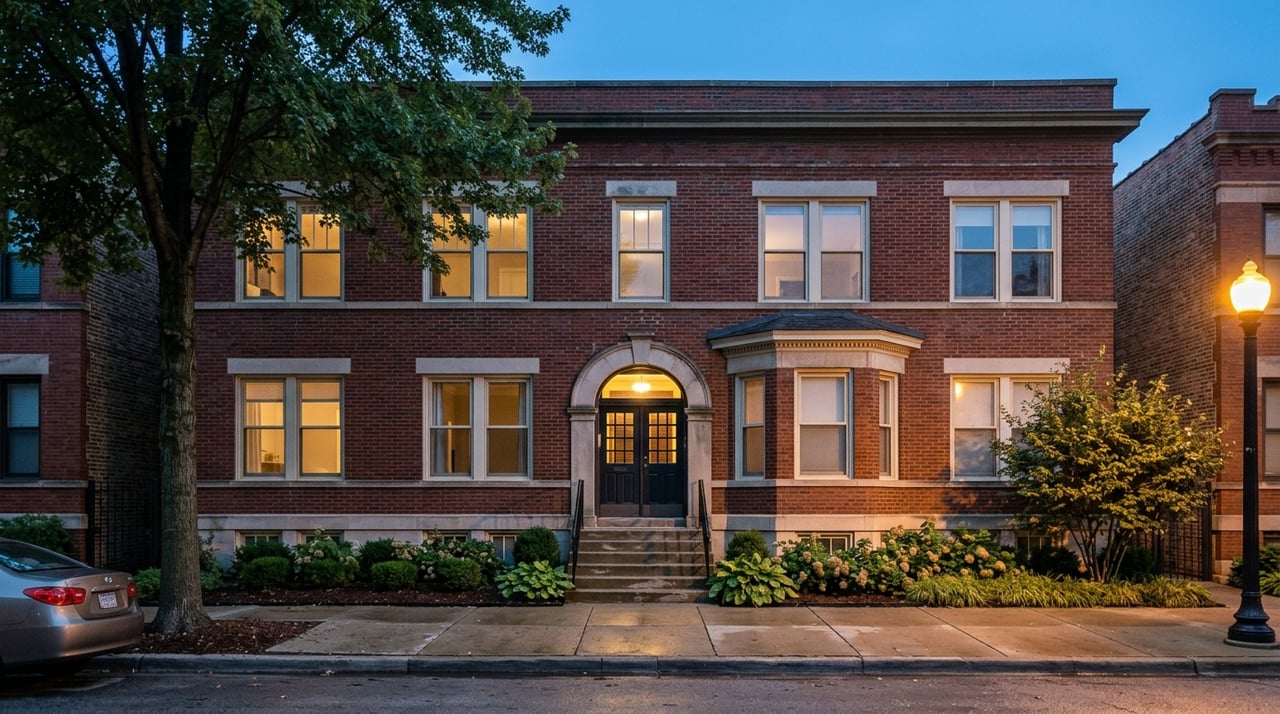
If you picture your next home near the water, Rogers Park and West Ridge can both be part of the conversation. These neighboring North Side communities offer very different daily routines, even though they sit side by side. If you are weighing beach access, transit, home style, and neighborhood feel, this guide will help you compare what lakefront living really means in this part of Chicago. Let’s dive in.
Rogers Park and West Ridge at a glance
Rogers Park is the neighborhood most people mean when they talk about lakefront living in this part of the city. Its identity is closely tied to Lake Michigan, beach access, and a more apartment-oriented housing mix. CMAP data also shows a renter-heavy profile, with 71.8% renter-occupied housing and 78.8% of homes in buildings with five or more units.
West Ridge sits just inland and feels different in everyday use. The housing mix is more balanced, with 50.6% owner-occupied homes, plus more detached houses, two-unit buildings, and three- or four-flats. In practical terms, Rogers Park tends to feel more shoreline- and transit-focused, while West Ridge often feels more residential and space-oriented.
Rogers Park lakefront lifestyle
If your ideal day includes walking near the water, spending time at the beach, or fitting lake views into your weekly routine, Rogers Park stands out. Lake Michigan is the neighborhood’s defining amenity, and that shapes how many people experience the area day to day.
Loyola Beach is one of the neighborhood’s best-known waterfront spots. According to the Chicago Park District, it includes a walking trail that runs nearly two-thirds of a mile. Rogers Park also includes Leone Beach, Howard Beach, and Marion Mahony Griffin Beach, giving you several ways to enjoy the shoreline.
Beach access is free, and lifeguards are on duty daily from 11 a.m. to 7 p.m. during beach season. That makes the lakefront more than just a scenic backdrop. It can be a real part of your routine, whether you want a morning walk, an afternoon at the beach, or a simple break outdoors.
One detail worth knowing is that not every beach site is available at all times. Juneway Beach is closed indefinitely due to erosion. If beach access is a major priority for your move, it helps to understand which lakefront areas are currently most usable.
West Ridge outdoor living
West Ridge does not offer the same direct lakefront experience, but it has a strong park system with a different kind of appeal. If you want larger inland green spaces and more multi-use recreation, West Ridge may fit your lifestyle better.
Warren Park covers 88.93 acres and includes paved walking, jogging, and biking paths. It also has the Robert A. Black nine-hole golf course and a winter ice rink. That mix gives you recreation options that go well beyond a simple neighborhood park.
Indian Boundary Park adds a cultural center, auditorium, community gardens, natural area, nature play space, and water-spray features. Pottawattomie Park includes fields, playgrounds, a dog run, and a fieldhouse. Together, these parks help define West Ridge as a neighborhood centered more on broad open space than on the shoreline.
Transit and daily convenience
For many buyers and renters, lakefront living is not just about scenery. It is also about how easily you can get around without depending heavily on a car. In that comparison, Rogers Park has the stronger rail-centered setup.
CTA’s Howard station is a major hub serving the Red, Purple, and Yellow lines, along with bus and Pace connections. Morse and Loyola also provide Red Line access, and Rogers Park is served by Red Line stations at Howard, Jarvis, Morse, and Loyola. CMAP data adds more context, showing that 25.6% of Rogers Park workers use transit, 22.1% work from home, and 36.8% of households have no vehicle available.
Those numbers point to a neighborhood where a car-light routine can be realistic. If you want to pair beach access with train access, Rogers Park offers a compelling combination.
West Ridge has a different transportation pattern. CTA’s 155 Devon route connects Devon and Kedzie to the Morse Red Line station, but the neighborhood is more bus- and car-balanced overall. CMAP reports that 11.3% of West Ridge workers commute by transit, 56.2% drive alone, and 15.0% of households have no vehicle available.
That does not make West Ridge inconvenient. It simply means the daily rhythm often relies more on buses and driving than on walking to a nearby train station. Your ideal fit depends on how you prefer to move through the city.
Housing styles and space
Your version of lakefront living may depend as much on the home itself as on the map. Rogers Park and West Ridge differ in a meaningful way when it comes to housing size, building types, and overall feel.
Rogers Park leans older, denser, and smaller in unit mix. CMAP reports that 48.5% of homes were built before 1940, the median year built is 1942, and 47.6% of units are studios or one-bedroom homes. That profile often appeals to people who want condo or apartment living with easier access to the lake and transit.
West Ridge offers more room in many cases. Its median year built is 1951, 32.6% of units are three-bedroom homes, and 4.4% are homes with five or more bedrooms. The area also includes more detached single-family homes, two-unit properties, and three- or four-flats.
For buyers, that can open up different possibilities. If you want more interior space, more house-like options, or a property type that supports longer-term flexibility, West Ridge may be worth a close look. If you want a denser lakefront setting with strong apartment and condo inventory, Rogers Park may feel like the more natural choice.
Dining and neighborhood energy
Lifestyle is not only about parks and housing. It is also about where you grab dinner, run errands, or spend a weekend afternoon. Here again, the two neighborhoods offer distinct patterns.
Rogers Park’s commercial life is centered around local corridors and community activity. The Rogers Park Business Alliance administers special service areas on Howard Street, Clark, Morse, Glenwood, Devon Avenue, and Sheridan Road. The neighborhood also includes the Glenwood Sunday Market and the Clark Street/Camino Clark cultural district, which stretches from Howard to Devon and includes more than 70 retail, dining, entertainment, and service businesses.
That setup gives Rogers Park a pedestrian-scale, corridor-based energy. If you like the idea of mixing local shops, community events, and lakefront access into your routine, that can be a strong draw.
West Ridge is anchored by Devon Avenue. The West Ridge Chamber describes Devon as a lively commercial strip with more than 300 restaurants and eateries. The corridor is known for a wide mix of cuisines and food businesses, including Indian and Pakistani grocers, Middle Eastern bakeries, Ethiopian restaurants, Jewish delis, and Mexican taquerias.
Community events like a Restaurant Crawl on Devon Avenue and a Holiday Bazaar reinforce how central food and local commerce are to the neighborhood. If your lifestyle is shaped more by dining variety and everyday access to a major business corridor than by the shoreline, West Ridge may stand out.
Which neighborhood may suit you best
If your top priority is true lakefront access, Rogers Park is usually the clearer fit. It combines beaches, shoreline walking, and stronger train access in a way that supports a distinctly urban, water-oriented lifestyle. It can be especially appealing if you are exploring condos, apartments, or smaller homes close to transit.
If you want more space and a more inland residential feel, West Ridge may align better with your goals. Its housing mix includes more house-like options, and its outdoor life is built around large neighborhood parks rather than the beach. It can be a smart place to look if you want room to grow while staying connected to the North Side.
Because the neighborhoods sit next to each other, some buyers compare both before deciding. That is often the right approach. The best fit comes down to how you want your day-to-day life to work, from commuting and recreation to home size and neighborhood rhythm.
Whether you are looking for a condo near the lake, a single-family home with more space, or a small multi-unit property on the North Side, a neighborhood-specific strategy matters. Telequest Realty brings hands-on Chicago market knowledge, practical guidance, and personalized service to help you compare your options and make a smart move.
FAQs
What is the main difference between Rogers Park and West Ridge for homebuyers?
- Rogers Park is more closely tied to the lake, beaches, and train access, while West Ridge generally offers more space, more house-like housing options, and larger inland parks.
Is Rogers Park better for lakefront living in Chicago?
- If direct access to Lake Michigan, beaches, and shoreline walking is your priority, Rogers Park is typically the stronger fit because its lakefront is a defining part of the neighborhood.
Does West Ridge have parks even though it is not on the lake?
- Yes. West Ridge has major parks including Warren Park, Indian Boundary Park, and Pottawattomie Park, which support walking, recreation, sports, and community activities.
Which neighborhood has better public transit access, Rogers Park or West Ridge?
- Rogers Park has the stronger rail-oriented transit setup, including access to Howard, Jarvis, Morse, and Loyola Red Line stations, while West Ridge relies more on buses and driving.
What types of homes are common in Rogers Park and West Ridge?
- Rogers Park has more apartments and smaller units in larger buildings, while West Ridge has a more balanced mix that includes detached homes, two-unit buildings, and three- or four-flats.
Is Devon Avenue a major draw in West Ridge?
- Yes. Devon Avenue is one of West Ridge’s signature commercial corridors, with more than 300 restaurants and eateries and a strong mix of food, shopping, and community events.