Ask a River North condo shopper what they're worried about, and most will name a number: the list price, maybe the monthly assessment. Another important consideration is the building's Section 22.1 disclosure packet, which provides information about the association's finances and obligations.
The disclosure timeline is another part of a condo purchase to understand. According to Romolo Group, in Illinois, a buyer's attorney can't request the seller's Section 22.1 disclosure packet, the document that spells out reserve balances, pending litigation, insurance coverage, and anticipated capital costs, until after an offer has been accepted.
The median price on any given River North listing tells you almost nothing about your real long-term cost. The building matters more than the price band it sits in, so buyers need to look beyond the listing price when assessing long-term cost.
Understanding the Section 22.1 Disclosure Timeline
Section 22.1 of the Illinois Condominium Property Act requires the association to hand over a specific set of documents on resale: unpaid assessments, anticipated capital expenditures for the next two years, current reserve status, the latest financial statement, pending litigation, insurance coverage, and the governing documents. It's a genuinely useful packet. The timing matters.
Here's the order that actually happens, not the order most first-time buyers expect:
- You tour the unit and decide you want it.
- You submit an offer, and it's accepted.
- Your attorney formally requests the Section 22.1 packet from the association.
- You review it during the condo document review period, which typically runs alongside or just after your inspection window.
- If something in the packet is bad enough, you negotiate a credit, an escrow holdback.
Some of the key numbers, reserve balance and any pending special assessments, can sometimes be surfaced informally before you write an offer if the listing agent or management company is cooperative. The formal request therefore comes on a compressed clock, after you've already picked a favorite unit, not before.
Proposed Reserve Study Requirements in Illinois
Here's a mechanism worth understanding.
A lot of people assume Illinois already requires condo associations to commission a professional reserve study on a regular schedule. It's a reasonable assumption. Lawmakers have tried to make it true twice in as many years. KSN Law reports that a version of the bill introduced in the 2024 legislative session stalled in a Senate committee before it could reach the governor. Illinois HOA Law describes the 2025 follow-up, House Bill 2563, as proposing a reserve study every five years for associations with major shared infrastructure, with the most recent study shared with a prospective buyer on request. The Illinois HOA Law update reports that the bill was re-referred to the Rules Committee at the close of the session and had not advanced as of that update.
So as of today, Illinois condo law says something narrower than what most buyers picture. Section 9(c)(2) of the Condominium Property Act requires boards to budget "reasonable reserves for capital expenditures and deferred maintenance." It does not require a professional study to determine what reasonable means, and it does not require a fixed schedule. The Illinois Department of Financial and Professional Regulation says an association can even vote, by a two-thirds majority, to waive the reserve requirement altogether.
In practice, this means two River North buildings with identical monthly assessments can have wildly different financial footing. One might have a current, professionally prepared reserve study projecting every major system replacement for the next twenty years. Another might be running on a board member's spreadsheet updated whenever someone remembers. Nothing on the listing sheet tells you which one you're looking at, and the bill proposing disclosure of a reserve study to prospective buyers has not advanced beyond committee.
Why Building Material Sets Your Assessment Clock
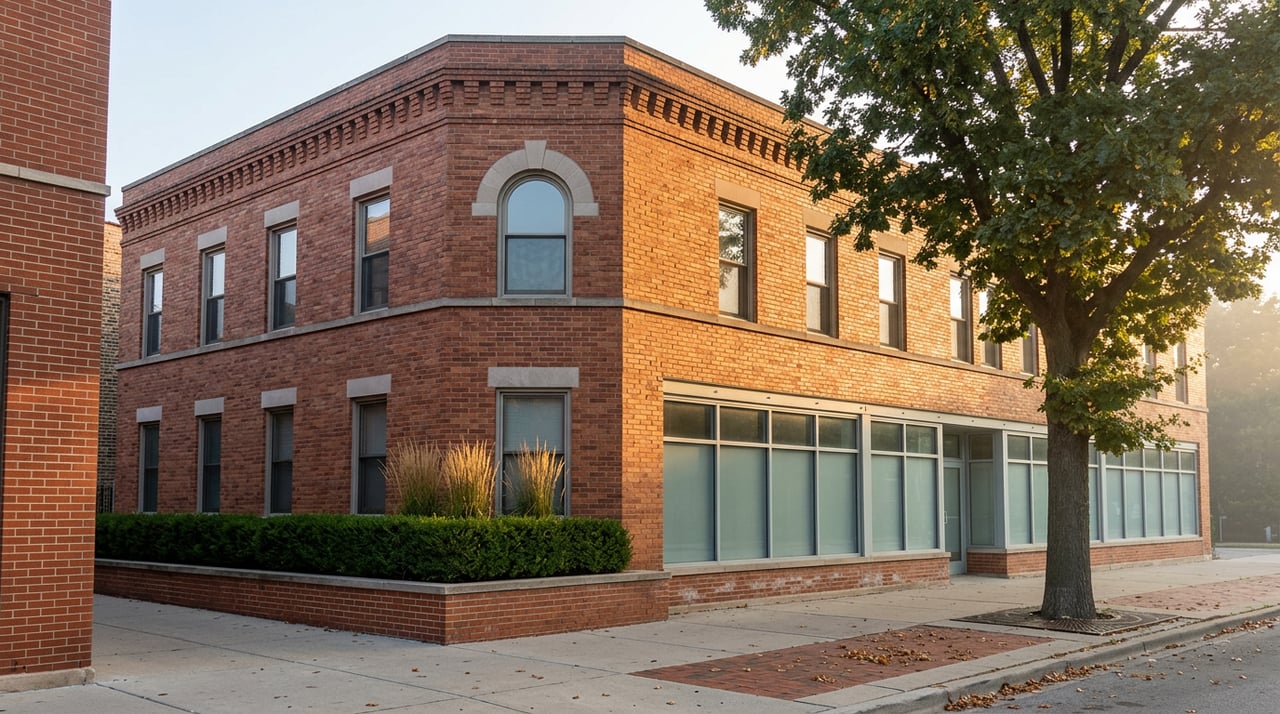
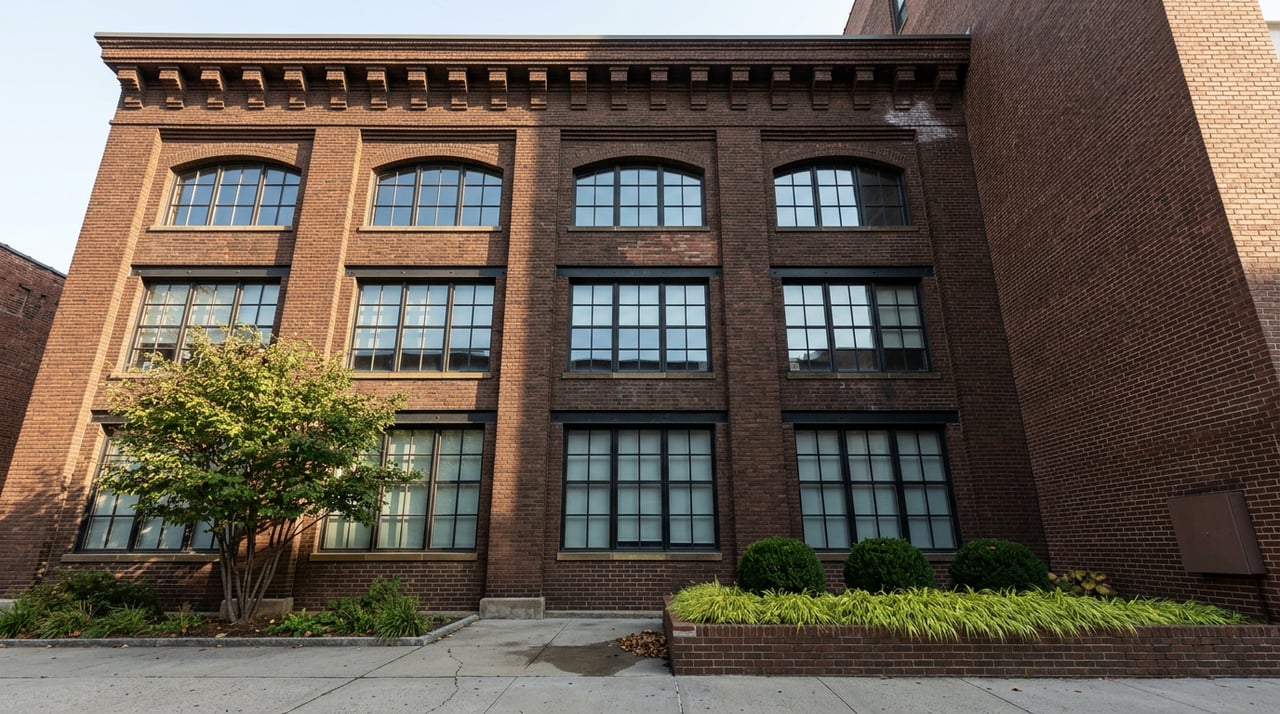
River North's building stock is a mix of vintage loft conversions in old masonry warehouses and newer concrete or steel-framed towers, and that mix matters more than most buyers realize, because Chicago's facade ordinance treats the two categories on completely different timelines.
Under the city's Exterior Wall Program, any building 80 feet or taller has to undergo a hands-on critical examination of its exterior facade on a set cycle. According to InspaRisk, that cycle depends on what the building is made of.
| Building type | Critical examination cycle |
|---|---|
| Masonry-clad buildings | Every 4 years |
| Concrete or steel-framed buildings | Every 12 years |
The Facade Ordinance says reports classify buildings as safe, safe with a repair and maintenance program, or unsafe and imminently hazardous. If the report calls for repair work the reserve fund doesn't cover, the funding gap matters.
What this means for a River North search: an older masonry loft conversion is legally required to face this scrutiny three times as often as a newer concrete tower built to the same footprint. That's not a knock on older buildings, plenty of them budget for it well, but it does mean the assessment risk clock runs faster for one building type than the other, regardless of price or amenities. When you're comparing a vintage conversion to new construction, you're also comparing two different exposure schedules to a mandatory city inspection.
What a Well-Run Reserve Fund Actually Looks Like
A building's reserve history offers a practical example. River North Commons, a building spanning Huron and Superior, had roughly $609,547 in its reserve fund as of March 2026. The association had both wings' roofs replaced in 2024 and renovated the entrance and lobby; the work was paid for out of reserves.
That's one benefit of a healthy reserve: it can help an association fund capital work without an unexpected levy against owners. When you're reviewing a building's financials, that's the pattern worth looking for, not just a dollar figure, but evidence that the board has actually used the money to get ahead of predictable wear rather than deferring it.
So What Does the Price Actually Tell You?
Not as much as it looks like it does. Depending on which snapshot you check, River North's condo market shows a median sale price of $410,000 in February 2026, a median home price of $432,000 as of July 2026, and a median list price of $450,000 among active listings as of late August 2026. Price per square foot rose about 4.1 percent year over year even as the February median sale price dipped 4.4 percent, which tells you the mix of what's selling shifted more than the underlying value moved. Smaller or lower-tier units traded more often, which pulled the median down while cost per square foot held firm.
That spread between numbers is the point. A $410,000 median and a $450,000 median asking price aren't measuring the same thing, sale versus list, and neither one tells you whether the specific building behind a specific unit has a facade exam due next year or a reserve fund that can absorb it. The price is where you start a search. It is not where you finish your homework.
A Short FAQ
Can I see a building's reserve study before I make an offer? Sometimes informally, if the listing agent or management company is willing to share it early. The formal Section 22.1 disclosure only has to be produced once you're under contract.
Is Illinois going to require reserve studies soon? Two attempts, in 2024 and again in 2025, have stalled in committee. There's no guarantee a third attempt passes, so for now, assume the building you're considering may or may not have a current study on file, and ask directly.
Does an older masonry building automatically mean higher assessment risk? Not automatically, but it does mean a shorter mandatory inspection cycle, four years instead of twelve. A well-funded association on that faster cycle can still be a safer bet than a newer building coasting on a thin reserve.
If you're weighing a River North unit against its building's financial health, or trying to figure out what a specific association's reserve numbers actually mean for your offer, Telequest Realty can walk the documents with you before you're locked into a timeline the law sets for you. Contact us.
This article is general information, not legal, tax or financial advice. Consult a qualified professional about your situation.