A buyer scrolling multi-family listings in Logan Square this summer sees a median list price somewhere between $625,000 and $900,000, depending on which portal they open. The number is real. It also describes a different asset than it did two years ago, because a 2024 city ordinance has quietly repriced what a two-, three-, or four-flat in this pocket of Chicago can be used for, sold to, or torn down for.
The buyers writing offers this month are the ones who noticed.
The Rule That Sits Between The List Price And The Close
The Northwest Side Preservation Ordinance passed the Chicago City Council in September 2024, and the Tenant Opportunity to Purchase pilot inside it went live on March 1, 2025. It runs until December 31, 2029. It covers the 606 Predominance of the Block District, which the city defines by zoning and street boundaries, not by neighborhood name. For a small-multi buyer, three of its provisions change the transaction itself.
The first is a mandatory pre-listing clock. Before a 2-4 unit rental building inside the district can hit the MLS, the owner has to send written notice of intent to sell to every tenant and to the Chicago Department of Housing. The waiting period is 30 days for buildings with four or fewer units and 60 days for buildings of five or more.
The second is a right of first refusal. Once a bona fide third-party offer comes in, the seller has to share a copy with the tenants and with the Department of Housing, and the tenants get a window to match it.
The third is a paper trail requirement your title company will enforce. Advocus, one of the standard Chicago title underwriters, now inserts a Schedule B exception on multi-unit parcels zoned RS3 or RT3.5 inside the district, and it requires return receipts, tenant registrations, rent rolls, leases, and any waivers before it will insure a clean transfer.
| Building size | Pre-listing notice | Offer-match window | Title exception at close |
|---|---|---|---|
| 2 to 4 units | 30 days to tenants + DOH | Tenants get a match window on any bona fide offer | Advocus Schedule B on RS3 / RT3.5 |
| 5+ units | 60 days to tenants + DOH | 60-day tenant option before marketing | Advocus Schedule B on RS3 / RT3.5 |
None of this stops a transaction. It changes the calendar and it changes who else gets a seat at the table. If you were underwriting a 60-day close, you are now underwriting a 90-to-120-day close, and your earnest money is exposed for longer.
Where The District Actually Is
The pilot does not follow neighborhood lines. Per the Department of Housing's implementing rules, the 606 Predominance of the Block District applies to parcels zoned RS3 and RT3.5 inside a boundary running along Addison Street, the North Branch of the Chicago River, Western Avenue, Division Street, California Avenue, North Avenue, Kedzie Avenue, Hirsch Street, Kostner Avenue, Fullerton Avenue, and Pulaski Road. That footprint pulls in most of Logan Square, most of Avondale south of Addison, and edges of West Town, Humboldt Park, and Hermosa. Two otherwise identical brick two-flats one block apart can sit on different sides of the line. Verify the zoning before you write, not after.
The City of Chicago's Northwest Side Preservation Ordinance page is the source of record for the boundary map and the forms.
The Two Exits That Disappeared
The interesting part of the ordinance for pricing is not the tenant clock. It is what it did to the two most aggressive buyers in the previous market.
Inside the district, the demolition surcharge for a two-flat, townhouse, or single-family home went from $15,000 to $60,000. For larger multi-unit buildings, it went from $5,000 per unit to $20,000 per unit, with a $60,000 floor per building. A six-unit teardown is now assessed a $120,000 fee before a shovel moves. That fee runs with the demolition permit through at least the end of 2029.
The ordinance also disallowed conversion of two-, three-, and four-flats into luxury single-family homes on blocks where most of the buildings are already multifamily. The block-predominance test is done at permit time. On the boulevard blocks where deconversion was the most reliable exit strategy for a patient buyer, that exit is now closed.
Two categories of bidder have effectively left the room. The developer who used to price a tired two-flat against its teardown value is now pricing against the cost of the surcharge and a rehab. The single-family end user who used to look at a three-flat on Logan Boulevard as a five-bedroom future dream house cannot get the deconversion permit on most of those blocks. What is left is other small investors, house-hackers, and rehab-and-hold buyers. That is a narrower, more disciplined pool, and it does not chase the same numbers.
Reading The 2026 Data Through That Lens
The topline market indicators for Logan Square in mid-2026 look strong. Redfin, tracking the three months through May 2026, reported a Logan Square median sale price of $730,000, up 12.3% year over year, with homes going under contract in about 36 days and a competitiveness score of 82 out of 100. As of late July 2026, Redfin showed 19 multi-family listings in Logan Square with a median list of $849,000. Homes.com, indexing the same market in July 2026, counted 36 multi-family listings ranging from $440,000 to $1.825 million and a 15-day average marketing time on multi-family. On the rent side, RentCafe's July 2, 2026 snapshot pegged the average Logan Square apartment rent at $2,244, up 7.46% year over year, with one-bedroom averages near $2,185 and two-bedroom averages near $2,983.
Now apply the ordinance.
A typical two-flat with two two-bedroom units at those averages suggests roughly $4,472 in gross monthly rent. A three-flat with two two-bedroom units and one three-bedroom unit suggests roughly $7,019. Those are the numbers a spreadsheet spits out. They are also the numbers a spreadsheet spit out in 2023, before the district existed. What is different in 2026 is that the buyer who would have paid the most for that same building is no longer bidding.
That has three practical consequences for your underwriting.
- The teardown floor is gone. A deep fixer that used to be worth land value plus a demo permit is now worth rehab value minus a longer holding period. On buildings priced in the $350,000 to $500,000 range that Chicago Home Partner identifies as the fixer end of the market, expect the seller pool and the price to reset toward rehab-buyer economics.
- The deconversion premium is gone on multifamily-predominant blocks. Logan Boulevard, Palmer Square, and the greystone stretches near Kedzie Boulevard used to carry a premium against the SFH-conversion comp. That premium is now capped by what a small investor will pay against the rents in the second paragraph above.
- Days on market are understated for pre-listing time. When Homes.com reports a 15-day multi-family marketing period, it is measuring from list date. The 30-day tenant notice window sits ahead of that clock. From the seller's decision to sell to a clear-to-close, plan on adding roughly a month.
The DePaul Institute for Housing Studies found the share of affordable rental units in the broader Logan Square and Avondale corridor fell from 40.4% in 2012-2014 to 25% in 2019-2021. That number is the political rationale for the ordinance and the demand rationale for the buildings. Renters are not leaving. There were 240 recorded sales and 348 mortgages on 2-4 unit buildings in Logan Square in 2024 alone. The trades are happening. They are happening on new terms.
A Live Test Case
The clearest early stress test of the tenant right of first refusal is a five-unit building at 2648 N. Francisco Avenue. The owner listed it in the spring of 2026 at $1.35 million, roughly $400,000 above the 2025 assessed value. A group of tenants organized as the Three Black Cats tenants association, and, as Block Club Chicago reported on April 1, 2026, they are attempting either to buy the building themselves or to steer the sale toward a preservation-minded owner under the pilot program. Whichever way it resolves, it is the first case where a Northwest Side buyer's timeline, financing, and offer terms are being publicly measured against the ordinance the way every future buyer's will be.
Watch that outcome. It will set the tone for what listing agents inside the district ask their sellers to prepare, and what buyers can expect to encounter in the transaction.
Where The Math Still Works
None of this makes Logan Square or Avondale a bad small-multi market. It makes it a more specialized one.
Avondale still trades at a lower entry basis than Logan Square for comparable brick two- and three-flats, especially north of Diversey and closer to the Kennedy. Rents in Avondale have historically run below Logan Square for the same-sized unit, but the gap has narrowed as investment along Milwaukee Avenue and the western edge of the 606 has spilled north. For a house-hacker willing to owner-occupy for the first year, an Avondale acquisition basis paired with a Logan-adjacent rent trajectory is where the underwriting still supports a first-time investor's assumptions.
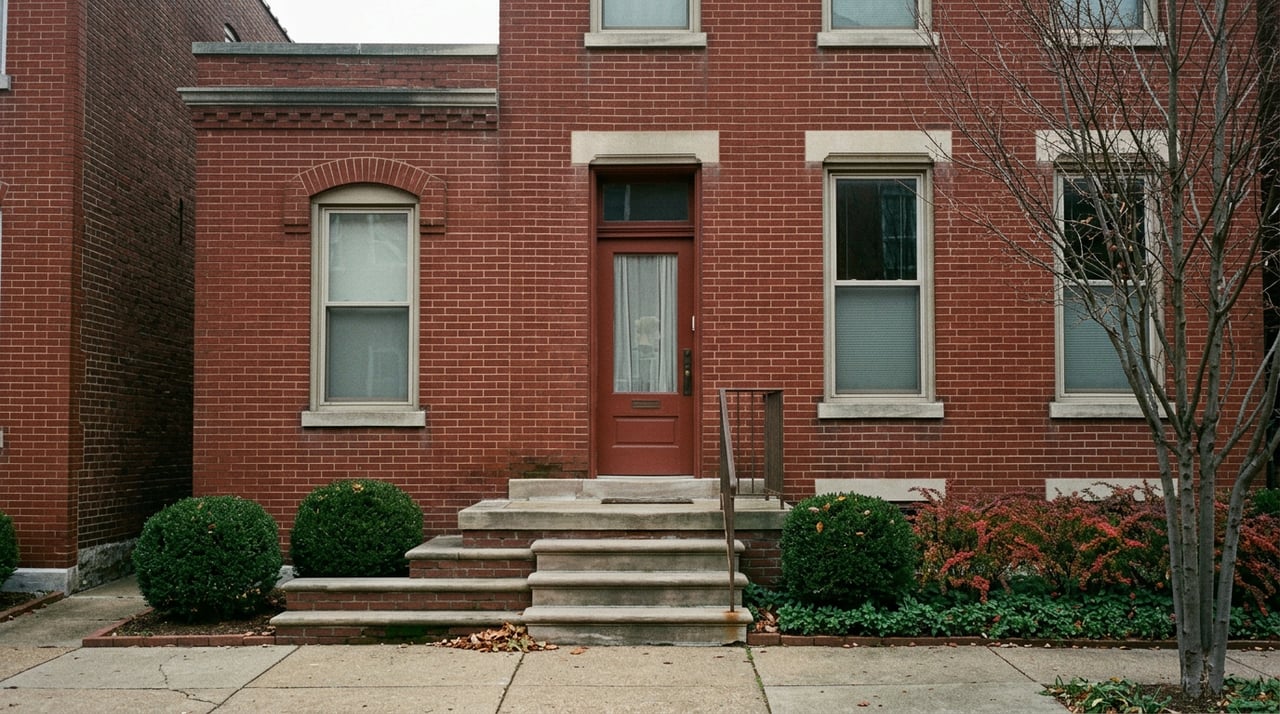
Inside Logan Square, the buildings that survive the new math are the ones where the numbers were never leaning on a future teardown or deconversion. Well-maintained brick two-flats with updated mechanicals, on-site laundry, and off-street parking, priced against actual in-place rents rather than pro-forma rents, still pencil. Boulevard-adjacent greystones with strong bones and clean rent rolls will continue to command a premium, just no longer the deconversion premium.
A Short FAQ
Does the ordinance apply to a two-flat that is owner-occupied with one rental unit? The tenant notice and right of first refusal provisions attach to buildings with rental tenants inside the 606 District. If one unit is tenant-occupied and the other is owner-occupied, the notice obligations still apply to the tenant. Check the specific parcel's zoning, RS3 and RT3.5 are the trigger classifications, and coordinate with your attorney and title underwriter early.
Can a buyer waive the tenant's right of first refusal? The buyer cannot waive it. The tenants can. Written waivers from tenants or a tenant association are among the documents the title company will want in the file before it insures the transfer.
What happens after December 31, 2029? Both the elevated demolition surcharge and the Tenant Opportunity to Purchase pilot are set to sunset on that date under the December 2024 amendments. Whether the sunset holds, gets extended, or is expanded citywide is a policy question, not a legal one, and it is worth watching if you are underwriting a hold period that reaches into the next decade.
Where To Take It From Here
The buildings that trade well in Logan Square and Avondale this cycle are the ones bought by people who understood the ordinance before they wrote the offer, planned the calendar around the tenant clock, and priced the building against what it can actually be, not what it might once have become. That is not portal work. That is the work an agent and a client do together at the kitchen table with the rent roll open.
If you are weighing a two-, three-, or four-flat inside the 606 District, or trying to decide whether a specific block sits inside or outside it, Telequest Realty can walk the parcel, the numbers, and the timeline with you before you commit. Contact us to start that conversation.